
Local Stormwater Compliance Across Dallas–Fort Worth
The state construction permit is the floor, not the finish. Every city in the metroplex builds its own stormwater program on top of it — its own inspection clock, its own hardware rules, its own submittal path — and those local rules are the ones your crews actually get held to.
Why local rules are the ones that bind
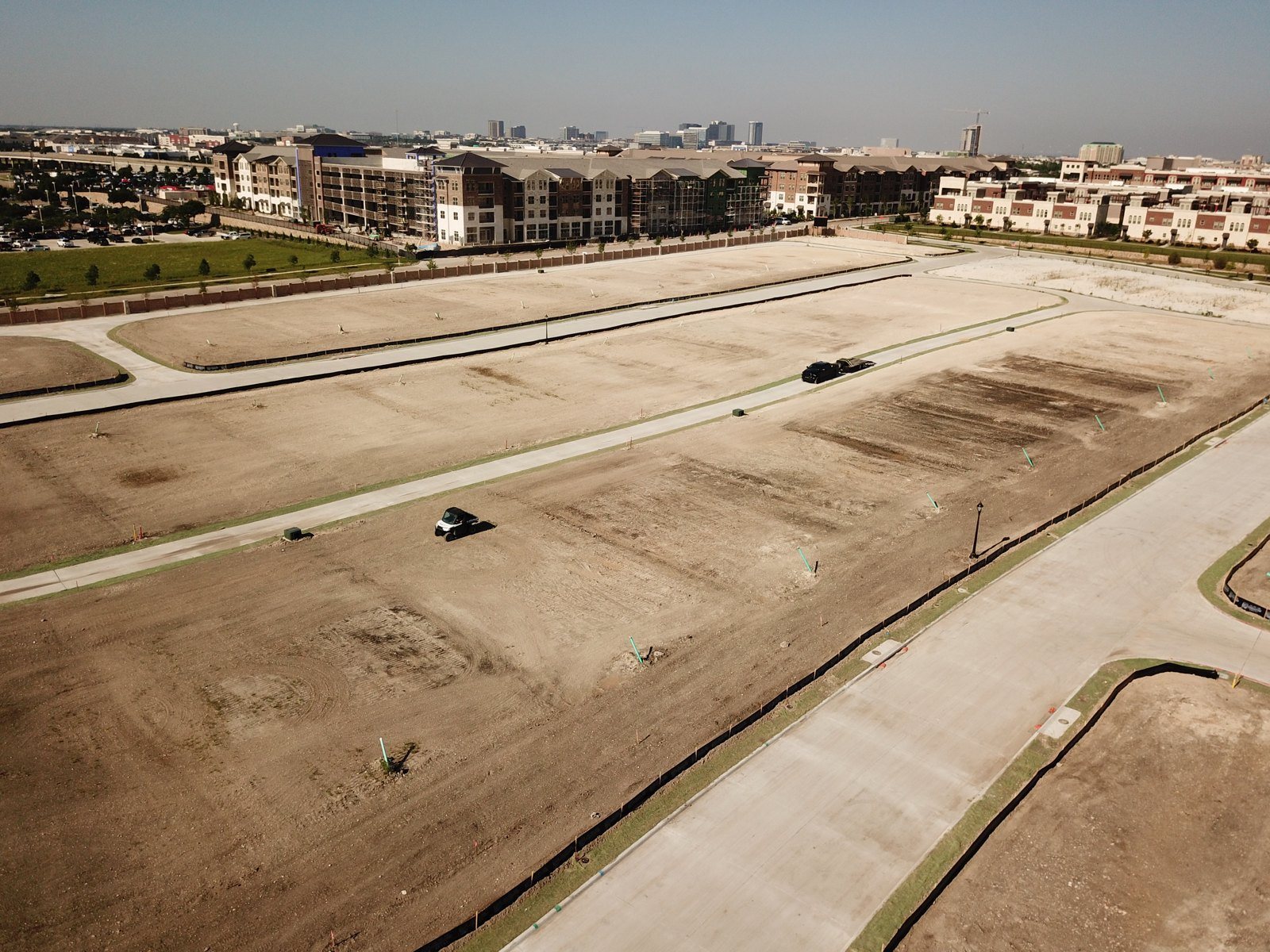
TXR150000 defines small construction activity to include clearing, grading, and excavating that disturb at least one acre and less than five acres. That state permit sets the baseline every DFW city shares. Every DFW city builds its stormwater program on the state permit and adds its own layers on top — the city rules are the ones your crews get held to. A control that satisfies the state can still fail a city inspection if the local detail asks for more, which is why mobilizing in a new jurisdiction starts with reading that city's own documents.
City requirement guides
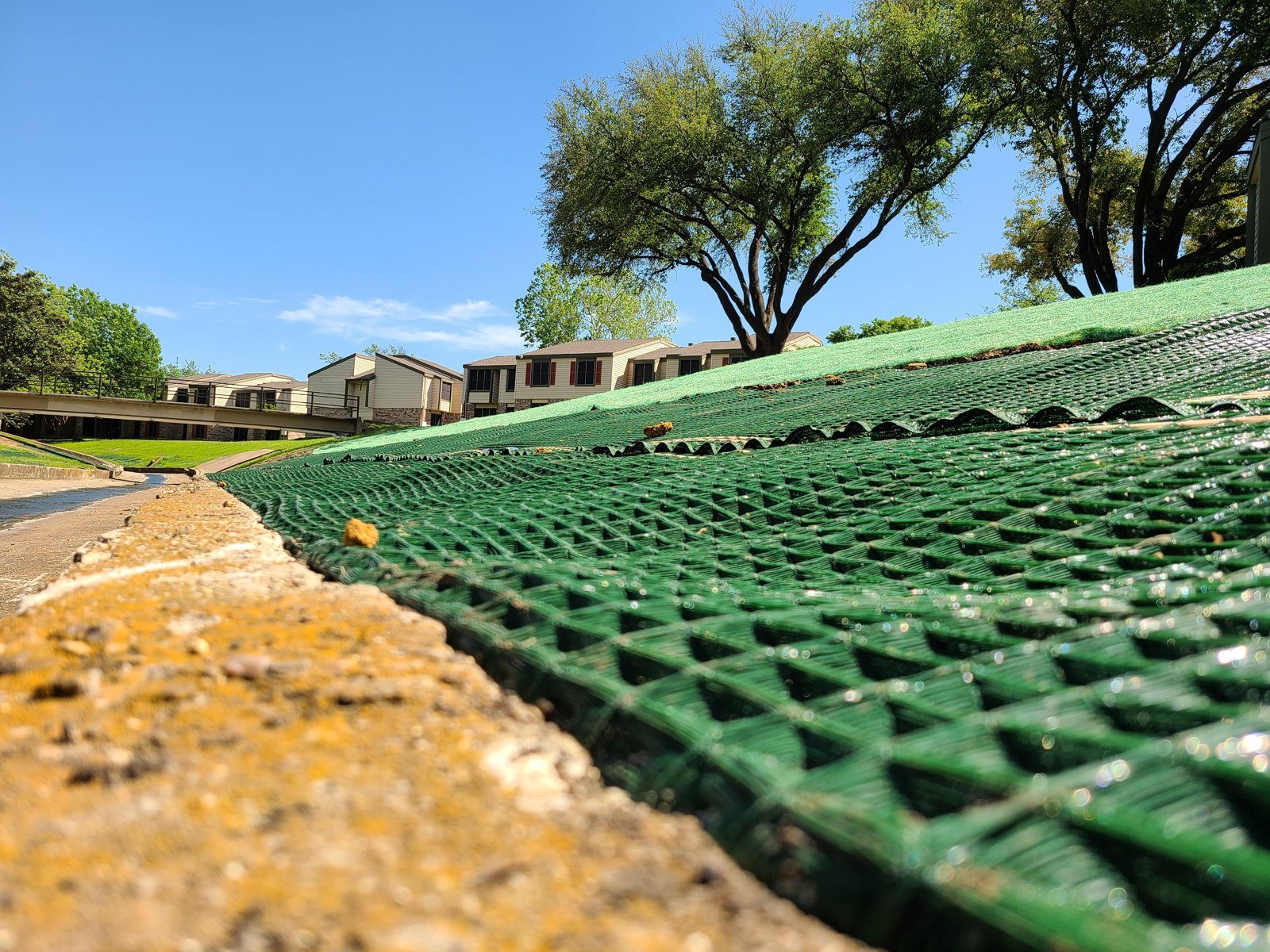
Each guide pulls the requirements a contractor plans around straight from the city's own ordinance, engineering standards, and prep guidelines — the inspection cadence, the BMP specs, the submittal order, and what gets checked at closeout.
- Frisco seven-day self-inspections, wire-reinforced silt fence, and a submittal path through city engineering.
- Celina a fraction-of-an-acre earthwork permit and the region's only Gold-certified stormwater program.
- Prosper weekly inspections, a signed contractor certification, and the town's own field rules.
- McKinney a grading permit at the first soil disturbance, city inspection before the work starts, and the regional standard written into the general notes.
- Plano the city's own mandatory SWPPP narrative sheets, split by project size, with a city-published erosion control manual behind them.
- Fort Worth a grading permit and drainage study from the first acre, an engineering stormwater plan behind the permit, and rules revised on a live calendar.
- Southlake SWPPP acceptance through the city's own portal, then a weekly inspection-and-upload rhythm.
- Mansfield a small-site notice under five acres, and a large-site notice posted by both operators.
- Dallas a city code section that applies at every size, with the state permit stacking on from the first acre.
- Garland coverage paperwork due two days before construction, and a weekly-plus-rain inspection clock in the city code.
- Highland Park the town's own protection measures, continuously maintained, with shut-down authority behind them.
- Sherman a five-day stabilization clock, a sub-acre plan at building permit, and the regional BMP manual as design law.
- Denison two-day pre-excavation submittals and an erosion ordinance that finishes review before dirt moves.
- Pottsboro a still-active small-town program with two-week inspections and contractor reports on file.
- Arlington a Phase I city whose own pollution control ordinance layers onto every size tier, with city inspectors on the ground.
- Grapevine an erosion ordinance older than the modern state program, a most-restrictive-governs clause, and tree permits with real penalties.
- Keller a grading permit with no acreage floor, three-official review, and arborist-signed tree surveys.
- North Richland Hills a bond posted against the erosion controls before grading, regional design criteria written into the code, and a short cure clock when a control fails.
- Grayson County which cities up here run their own programs, and where the state permit is the whole rulebook.
- Van Alstyne a growth-corridor town with no city stormwater program on file, and what that puts on the contractor.
- Allen a clearing and grading permit before the dirt, with erosion and tree devices as permit conditions.
- Melissa a land disturbance permit on a ten-business-day clock, and weekly inspections on every active site.
- Denton plan approval through Watershed Protection, a perimeter check before the site runs, and stream buffers.
- Lewisville a stormwater plan on every construction site regardless of size, and a permit for any earthwork.
- Irving a city permit before earthwork, sealed plans on larger sites, and city inspectors on the ground.
- Grand Prairie the pollution prevention plan reviewed and accepted before dirt moves, with signed, engineered plans.
- Richardson controls expected whatever the project size, and a tree mitigation plan filed with the grading permit.
- Carrollton a published three-tier threshold table, paperwork ahead of construction, and demolition submittals.
- Gunter a growth-corridor city with no stormwater program on the state registry, which puts the state permit at the centre.
- Whitesboro no city program on the state registry — the state construction permit is the rulebook, and the operator carries the record.
More cities are added as their requirements are verified against primary sources.
Frequently Asked Questions
Do I still need to follow the state permit if my city has its own rules?
Yes — the city rules sit on top of the state permit, they do not replace it. You meet both, and where they differ on a schedule or a spec, you build to the stricter one.
Do these local requirements change?
Yes. City requirements change; confirm the current ordinance and standards with the jurisdiction before you mobilize. A guide is a starting point, not a substitute for the city's live ordinance and standards.
Compliance is the whole program
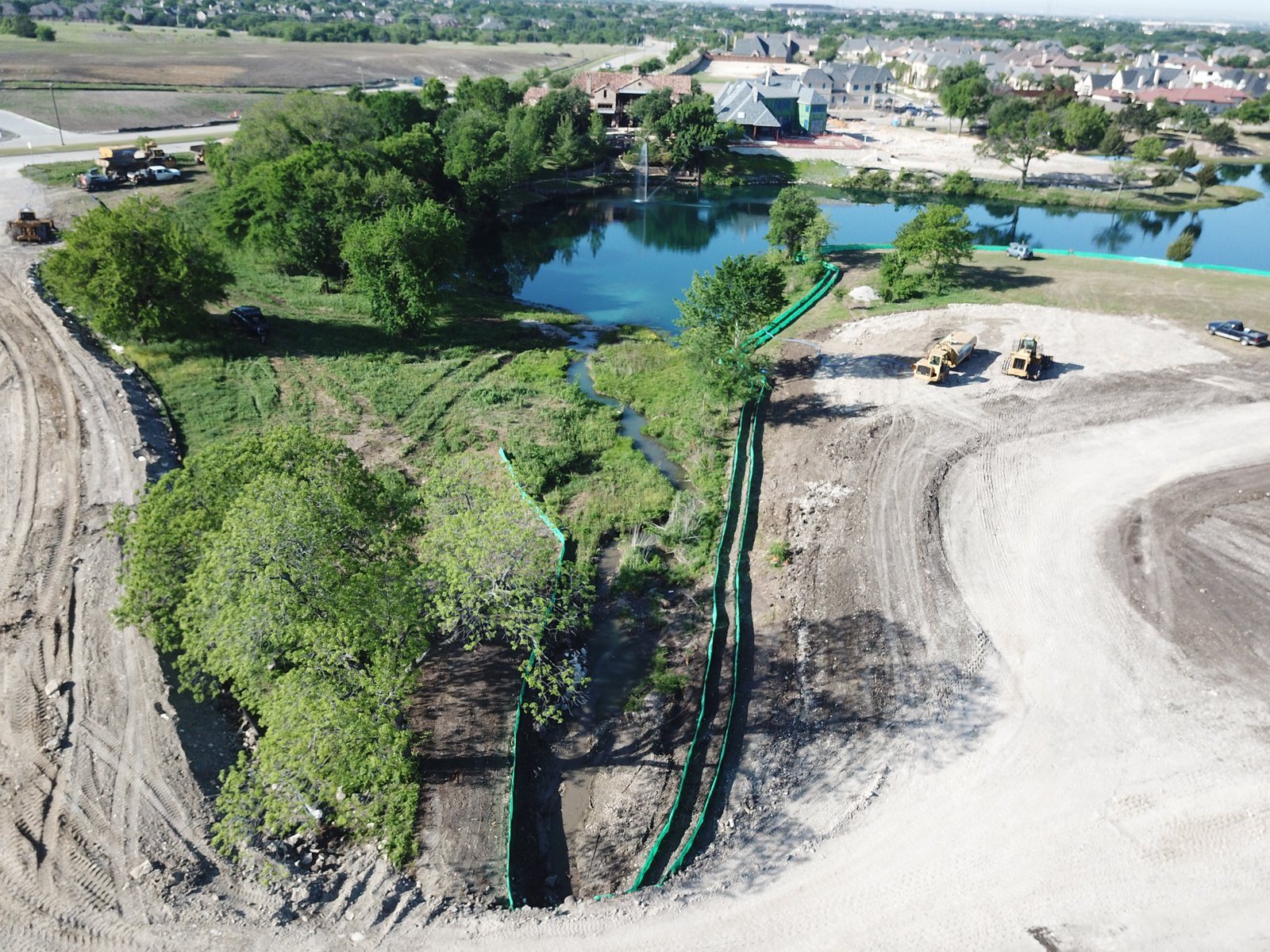
Knowing a city's rules is only useful if you can meet them. Terradyne pairs these local requirement guides with SWPPP Services for the plan and the filings and erosion control for the field work — so a project mobilizing in a new jurisdiction gets the right paperwork and the right controls the first time, without a scramble when the first inspection lands.
Request a bid
Send your project location and plans to bids@terradynegroup.com or call (214) 878-7392 for local compliance support across Dallas–Fort Worth. Tell us the city and we will bring what it expects.