
SWPPP Inspections in Dallas–Fort Worth
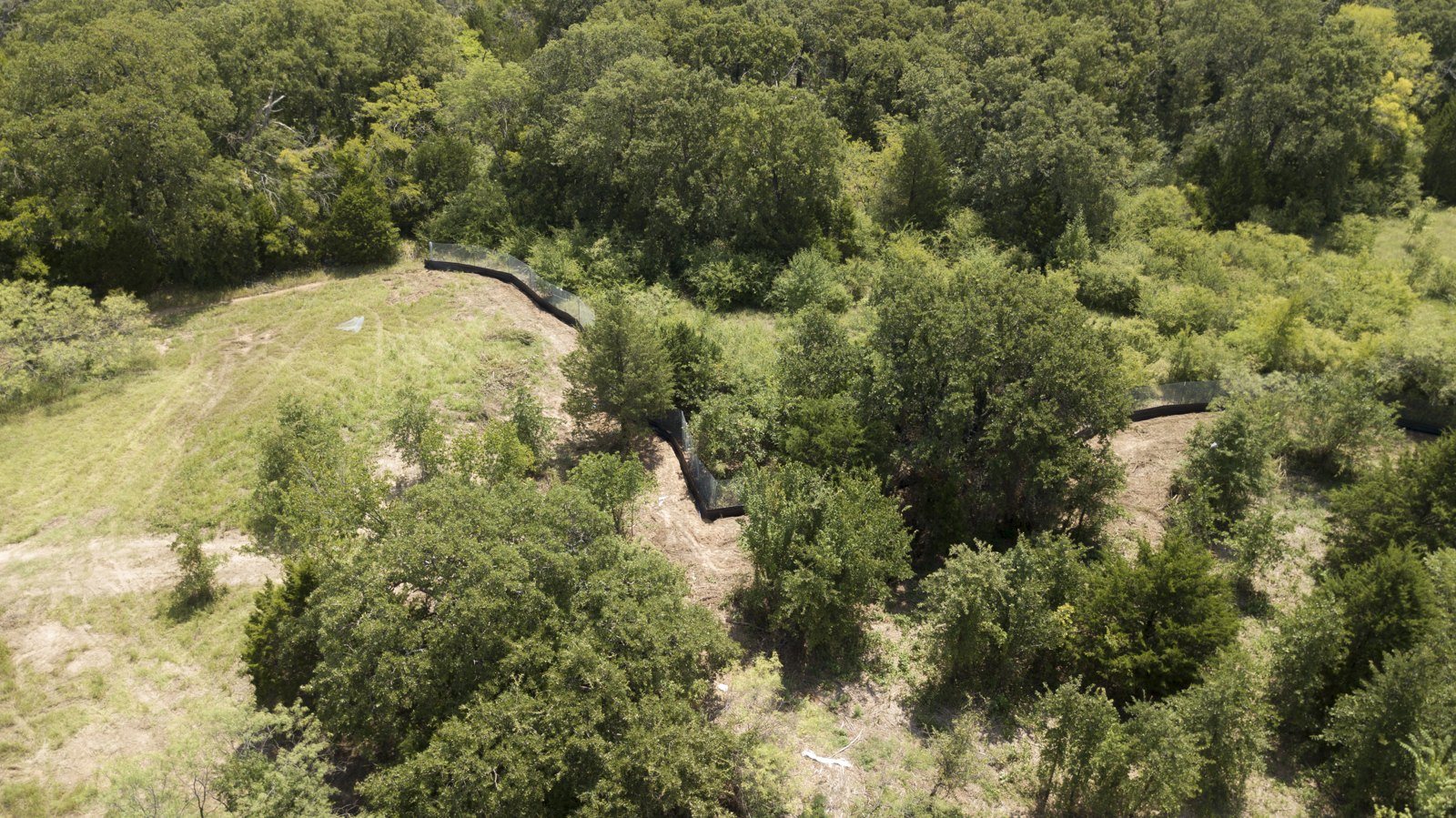
Keeping a construction site compliant is not a one-time task; it is a standing obligation that runs from the first blade of dirt until the ground is stable again. SWPPP inspections are the recurring checkpoints that prove a site is holding the line, and missing them is one of the fastest ways to draw a violation. Terradyne handles that burden for builders, developers, and general contractors across the Dallas–Fort Worth metroplex, so your team can stay focused on the schedule instead of the paperwork. Inspections are also what a lender, a buyer, or a city reviewer asks for first when they want proof that a project has been managed responsibly, which makes a clean inspection record an asset well beyond the permit itself.
How often are SWPPP inspections required in Dallas–Fort Worth?
TXR150000's standard schedule requires construction site inspections at least once every 14 calendar days and within 24 hours of the end of a storm event of 0.5 inches or greater. Terradyne runs that schedule for you across Dallas–Fort Worth, walking every control, logging what we find, and delivering the report before your deadlines slip.
When does a construction site need SWPPP coverage?
The state permit draws its line by disturbed acreage. TXR150000 defines small construction activity to include clearing, grading, and excavating that disturb at least one acre and less than five acres. The TPDES Construction General Permit TXR150000 is effective March 5, 2023 through March 5, 2028. Operators of small construction activities can apply for a Low Rainfall Erosivity Waiver (LREW) from the requirement to obtain authorization under TXR150000 when the calculated rainfall erosivity factor for the entire project period is less than five. For everyone else, coverage is not just a filing formality. A stormwater pollution prevention plan (SWP3) must be prepared and implemented before construction activities begin. From that point forward, the site owes a continuous record of self-inspections, and an inspection program that starts late is already behind.
Terradyne steps in at mobilization, confirms the plan is in place, and builds the inspection cadence into your project calendar from the start. Whether you are breaking ground on a single pad site or phasing a large development, the goal is the same: never let the compliance record fall behind the dirt work.
What a SWPPP inspection actually covers
A good inspection is more than a signature. Our inspectors verify that perimeter controls are intact, that inlets are protected, that stabilized entrances are doing their job, and that anything disturbed since the last visit has been addressed. Every finding is photographed and written up in plain language, with a clear corrective action and a responsible party, so nothing sits ambiguous. The value is in the follow-through: an inspection that flags a failed control but never confirms the repair is only half a record. Our process closes that loop, carrying each open item forward until it is resolved and photographed, so the file tells a complete story rather than a trail of unfinished problems.
Documentation is part of the control itself. Operators of regulated construction sites must post a signed TCEQ construction site notice and maintain it at the site until final stabilization is achieved. We keep that notice, the plan, and the running inspection record aligned, because an inspector or a city reviewer who finds one piece missing will start looking for the rest.
When do inspections end? Reaching final stabilization
Inspections do not run forever; they end when the site has genuinely recovered. Final stabilization under TXR150000 requires uniform perennial vegetative cover of at least 70% of native background density, or equivalent permanent stabilization measures. Reaching that milestone is what lets a project close out its permit coverage cleanly. Terradyne tracks each area toward stabilization and tells you honestly what still needs cover, rather than signing off early and leaving you exposed if a reviewer disagrees.
Terradyne's SWPPP inspection service across Dallas–Fort Worth
Terradyne has worked in Texas stormwater and erosion control since 1988, and inspections are the heartbeat of that work. Terradyne provides routine SWPPP inspection reports with cloud-based client access. You get a consistent inspector who knows your site, reports you can hand straight to a lender or a city, and a team that flags a developing problem before it becomes a notice of violation. That continuity is the difference between a vendor who merely shows up and a partner who owns the outcome. When a reviewer has a question long after the crews have moved on, the answer is already in the record, organized and ready, instead of scattered across phones and truck consoles.
Inspection requirements vary by city across DFW; confirm your jurisdiction's cadence and submittal rules before mobilizing. We build those local differences into your program so a site in one city is never held to the wrong jurisdiction's playbook. Explore our Routine SWPPP Inspection Reports and Rain-Event Inspections for the mechanics of each visit, Corrective Action Tracking for how findings get closed out, and the Customer Hub for cloud access. Inspections are one pillar of our full SWPPP Services division.
Monitored by AI
The report you receive was read twice — once by the inspector who wrote it, and once by the system built to check it. Every completed inspection report is reviewed by an internal AI audit system on a weekly cycle. Photo evidence is cross-checked by the AI against the written observations. Every report is also parsed into a structured compliance database — observations, action items, and self-certifications — with automatic contradiction flags. The AI never sends anything on its own — drafts only, with human review always. The oversight is a second set of eyes, not a second author: what it finds goes to humans, and what you receive was reviewed by both.
Frequently Asked Questions
What is a SWPPP inspection?
A SWPPP inspection is a documented walk of an active construction site to confirm that every erosion and sediment control is installed, working, and maintained, and that any problems are recorded and corrected. It is how a project proves ongoing compliance between the start of work and final stabilization.
Who should perform a construction stormwater inspection?
Inspections should be handled by trained personnel who know what a passing control looks like and what regulators expect to see documented. Many owners and cities look for a qualified inspector credential such as CESSWI or CISEC when choosing who signs the report.
How do I get my inspection reports for a lender or the city?
Terradyne delivers each report through a secure cloud platform, so you, your lender, and the reviewing city can pull the current record and the full history on demand instead of chasing paper in a job trailer.
Do rain events change the inspection schedule?
Yes. A qualifying rain event triggers an added inspection on top of the routine walk, so controls get checked while the site is still wet. Terradyne tracks local rainfall and dispatches an inspector inside the post-storm window.
Request a bid
Ready to hand off your inspection program? Email bids@terradynegroup.com or call (214) 878-7392 to request a bid for SWPPP inspections on your Dallas–Fort Worth project.