
Construction Entrance Redress & Re-Rocking
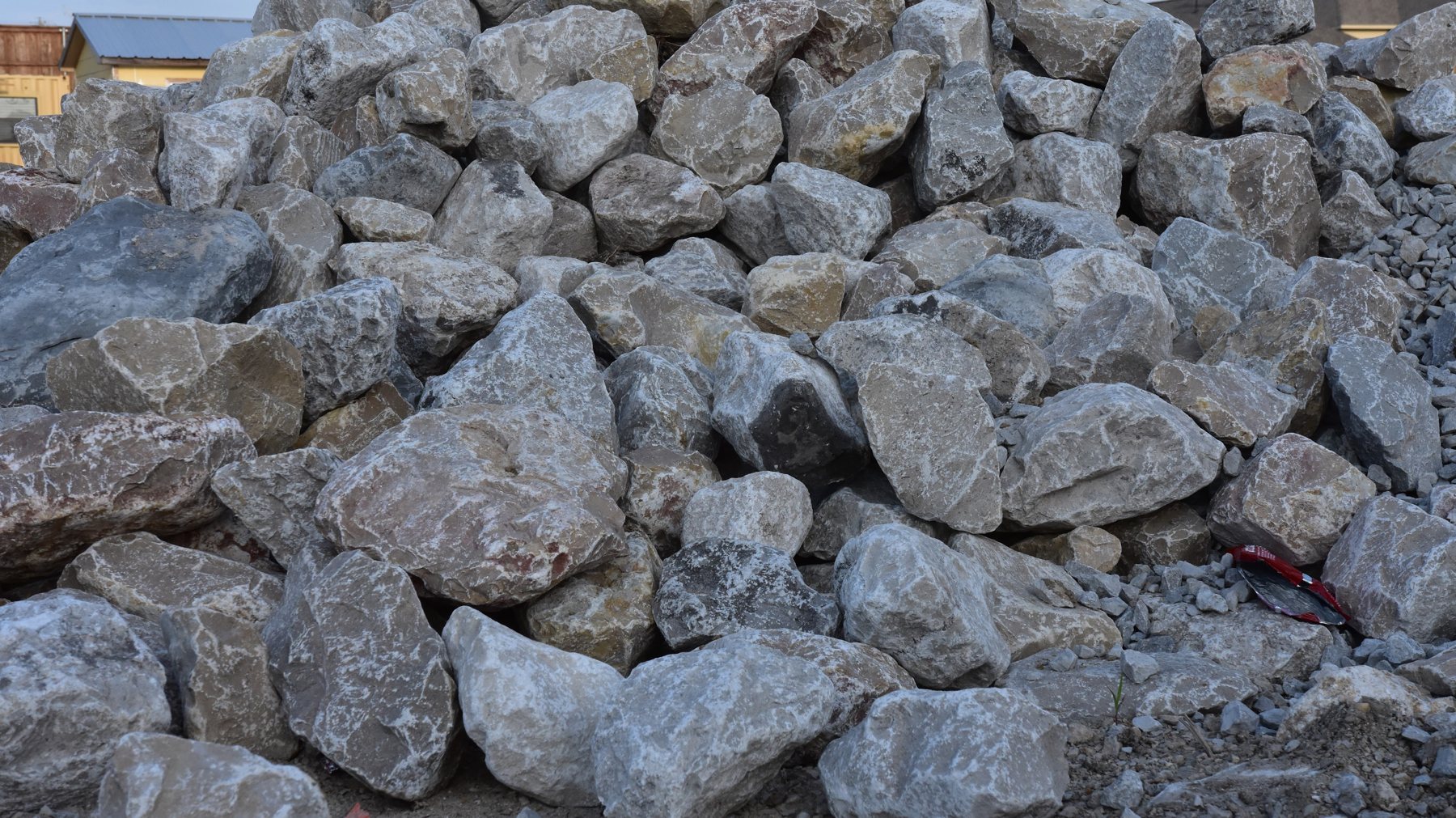
The entrance that scrubbed tires clean in month one is riding six inches lower by month three, and the street shows it. Rock pads wear out from the top and drown from the bottom — and the fix is not a new entrance, it is a redress. Terradyne re-rocks existing entrances across Dallas–Fort Worth as a standing maintenance service.
What is entrance redress?
Redress is the maintenance cycle for a rock entrance: fresh stone on the existing pad to restore the voids that grip and clean tires. When an entrance's rock voids fill with sediment, Terradyne redresses the pad — re-rocking the existing entrance.
Why pads go flat — and why it matters
A buried pad is a ramp, not a scrubber: once the voids fill, trucks ride over the mud instead of shedding it. The obligation behind the maintenance is written into the governing documents. The iSWM detail requires the entrance to be maintained so it prevents tracking or flowing of sediment onto paved surfaces — which may require periodic top dressing with additional stone as conditions demand — and requires immediate removal of any sediment spilled, dropped, washed, or tracked onto pavement. Under the Texas Construction General Permit (TXR150000), permittees must minimize, to the extent practicable, the off-site vehicle tracking of sediments and dust.
What Terradyne redresses
Terradyne offers redress for standard entrance pads, including 15-by-20-foot and 20-by-50-foot sizes. Terradyne stacks pre-bagged cold-mix asphalt units into temporary curb ramps at rock entrances. Some cities write the curb protection straight into their standards: Frisco requires asphalt bags at construction entrances to prevent curb damage. If the pad itself is undersized or unlined, that is a rebuild rather than a redress — see Stabilized Construction Entrance for the full install.
When to schedule it
Schedule redress on truck traffic, not the calendar — a wet month of hauling can bury a pad in weeks. Sites that pair the pad with sweeping catch the wear earlier; see Street Sweeping & Track-Out Control for the cleanup side, and the Erosion Control division for everything upstream of the gate.
Frequently Asked Questions
How do I know the entrance needs a redress?
Look at the rock and the street. If the stone sits flush with the mud, the voids are gone; if tires leave the site dirty and the pavement past the gate is streaked after every haul day, the pad has stopped scrubbing and needs fresh rock.
Is top dressing an entrance actually required?
The governing detail requires the entrance be kept in a condition that prevents tracking — and it names periodic top dressing as what that may take as conditions demand. In practice, a pad that carries real traffic will need it; the requirement is the outcome, and redress is how you keep meeting it.
Do cities pay attention to entrances?
Yes — the entrance is visible from the street, which makes it the easiest control for a city inspector to evaluate without setting foot on site. Some cities write entrance hardware into their engineering standards down to the curb protection.
Request a quote
Email bids@terradynegroup.com or call (214) 878-7392 to put your entrances on a redress schedule. Tell us the pad sizes and the haul schedule, and we will keep the rock ahead of the mud.