
SWPPP Services in Dallas–Fort Worth
A stormwater pollution prevention plan is only as good as the program behind it — the filing, the field controls, the inspections, and the records that prove it all happened. Terradyne runs that program end to end across the Dallas–Fort Worth metroplex.
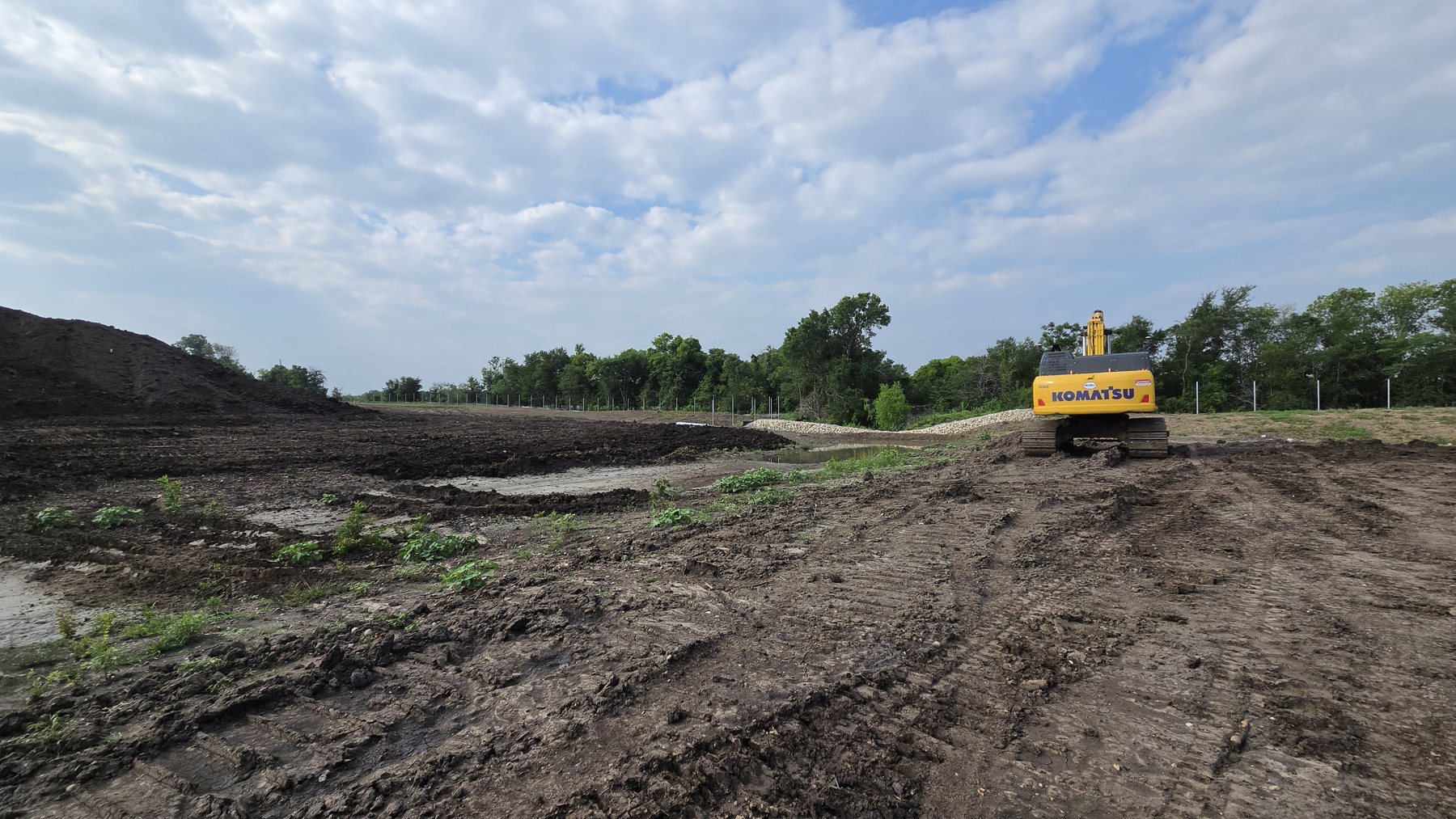
What does a SWPPP program cover?
A stormwater pollution prevention plan (SWP3) must be prepared and implemented before construction activities begin. TXR150000 defines small construction activity to include clearing, grading, and excavating that disturb at least one acre and less than five acres. From that plan flows everything else: the permit filings, the controls in the field, and the inspection record that has to hold up if a reviewer asks.
Every SWPPP service, at a glance
20 servicesNo reading required — the full SWPPP lineup, grouped the way the work groups.
SWPPP Narratives & Documentation
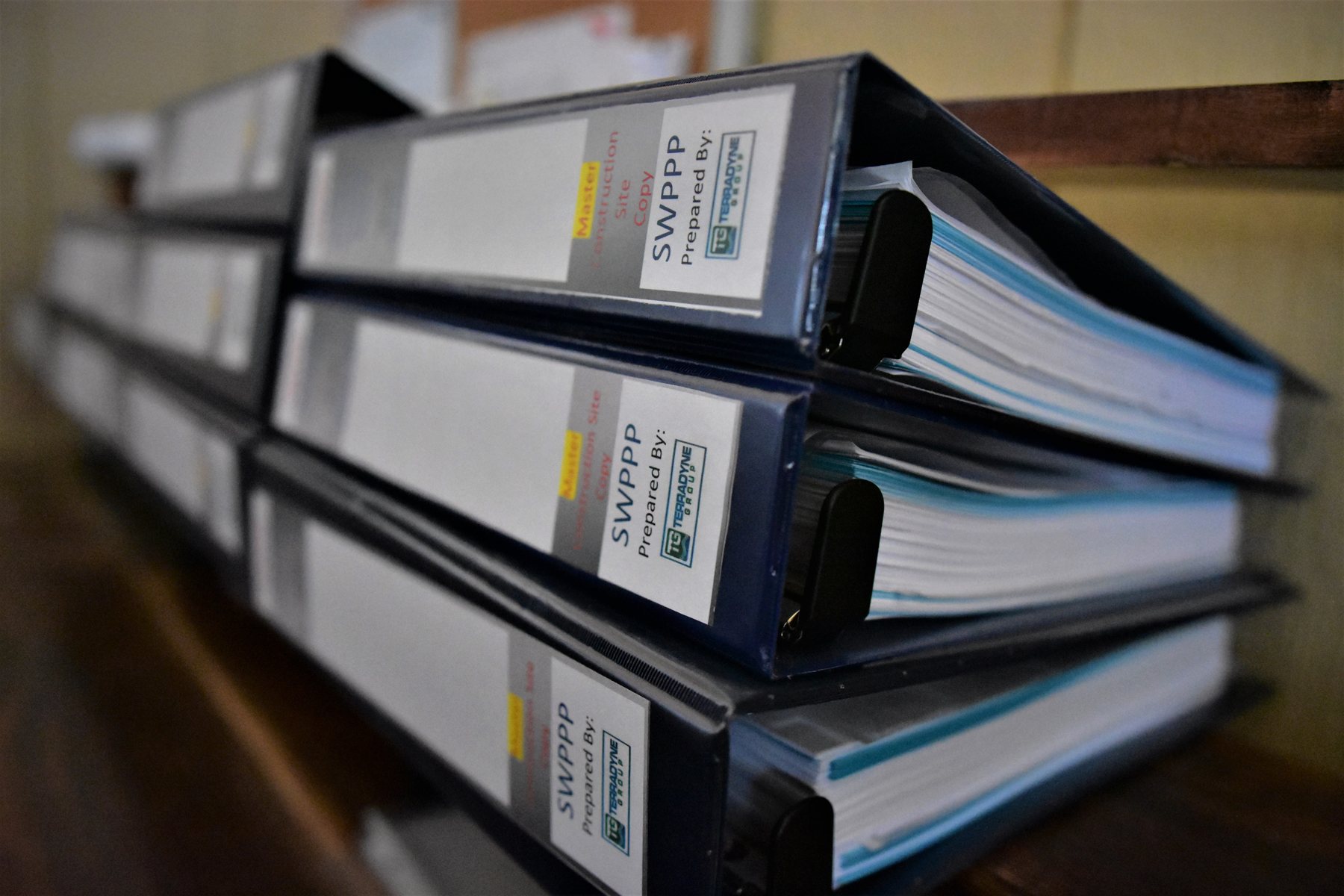
- SWPPP Narrative & Manual PreparationSWP3 narrative, SWPPP book, SWPPP binder
- SWPPP Site Maps & Erosion Control SchematicsEC schematic, erosion control plan sheet, site map
- SWPPP Log & Record Auditslog audit, recordkeeping review, compliance audit
- SWPPP Addendum & Re-Permitre-permit, permit renewal, SWPPP amendment
- Third-Party SWPPP Manual Reviewindependent SWPPP review, SWPPP plan review, peer review
SWPPP Permitting
- TCEQ Permit Filing (NOI / NOC / NOT)notice of intent, notice of termination, TCEQ filing
- STEERS Filing AssistanceSTEERS account, TCEQ electronic filing
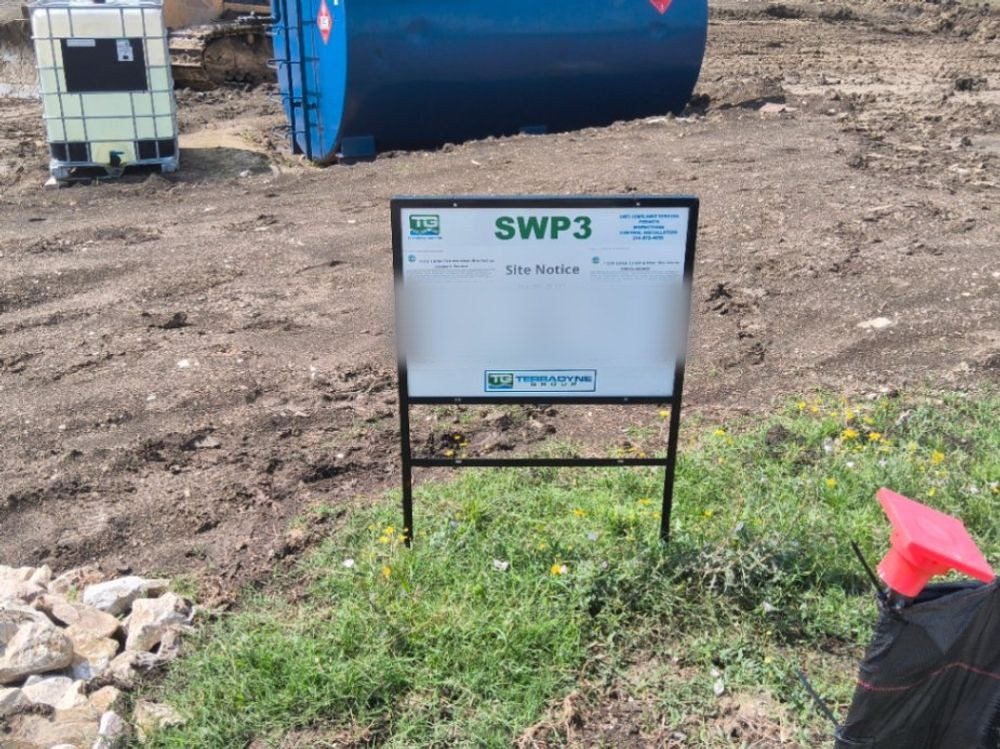
- Construction Site Notice (CSN) SignageCSN, SCSN, LCSN
SWPPP Inspections
- Routine SWPPP Inspection Reports14-day inspection, routine inspection, bi-weekly inspection
- Rain-Event Inspectionspost-rain inspection, 0.5 inch rain inspection
- Action Item & Corrective Action Trackingaction item, action item tracking, deficiency correction
- Photo Documentation
SWPPP Compliance Hub
The parts of the program
A SWPPP program runs from the first disturbance to final stabilization — the paperwork and the field work move together, not in sequence.
 2
2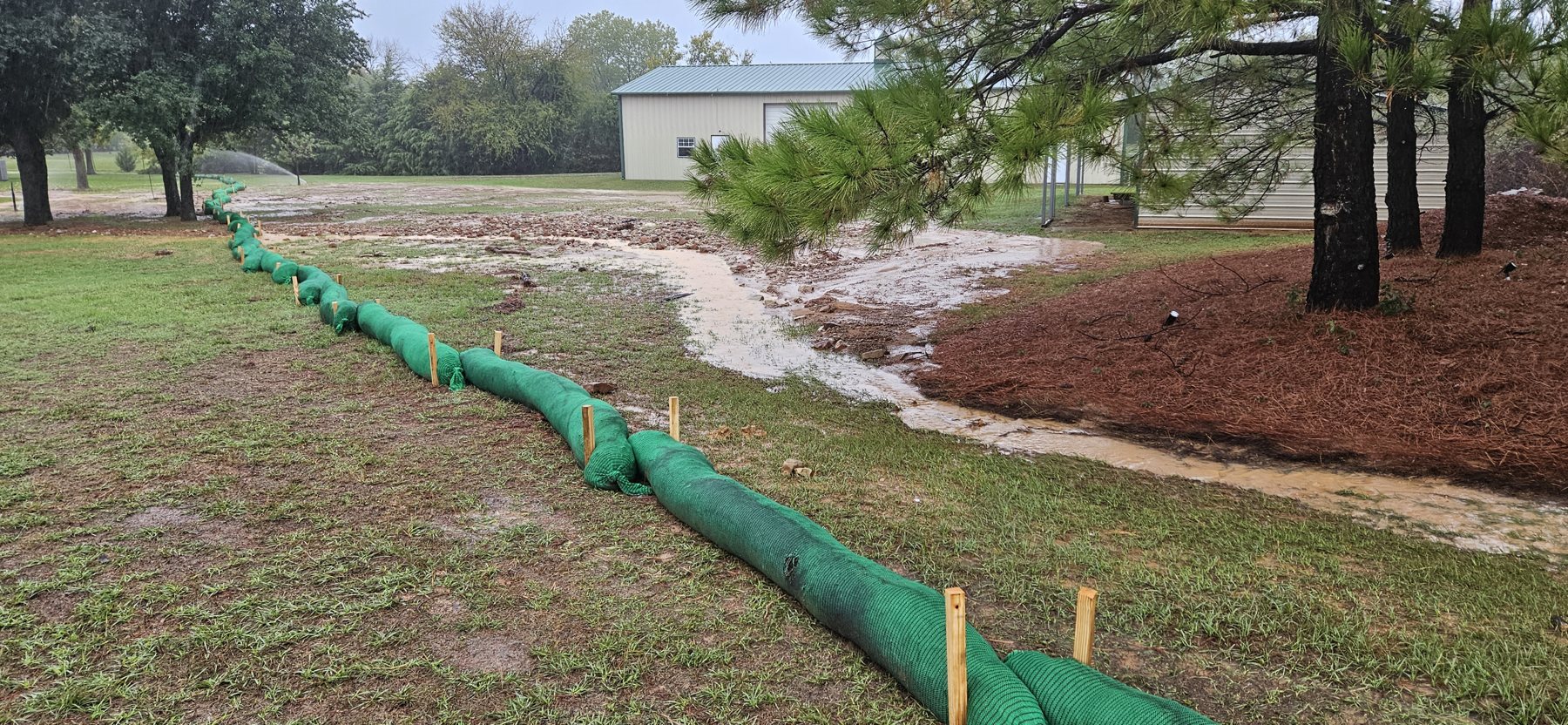 4
4Frequently Asked Questions
When does a project need a SWPPP?
When it disturbs enough ground to fall under the construction stormwater permit — and the plan has to be in place before the dirt work starts, not after. Cities often add their own thresholds and submittal steps on top, so the local rules matter too.
Who keeps the SWPPP current once work begins?
The operator owns it, but the plan is a living document — it gets amended as the site changes, and the inspection findings feed those updates. Most builders put the whole cycle on a standing program rather than chasing it in-house, so the paperwork keeps pace with the dirt instead of falling a phase behind.
One contractor, the whole program
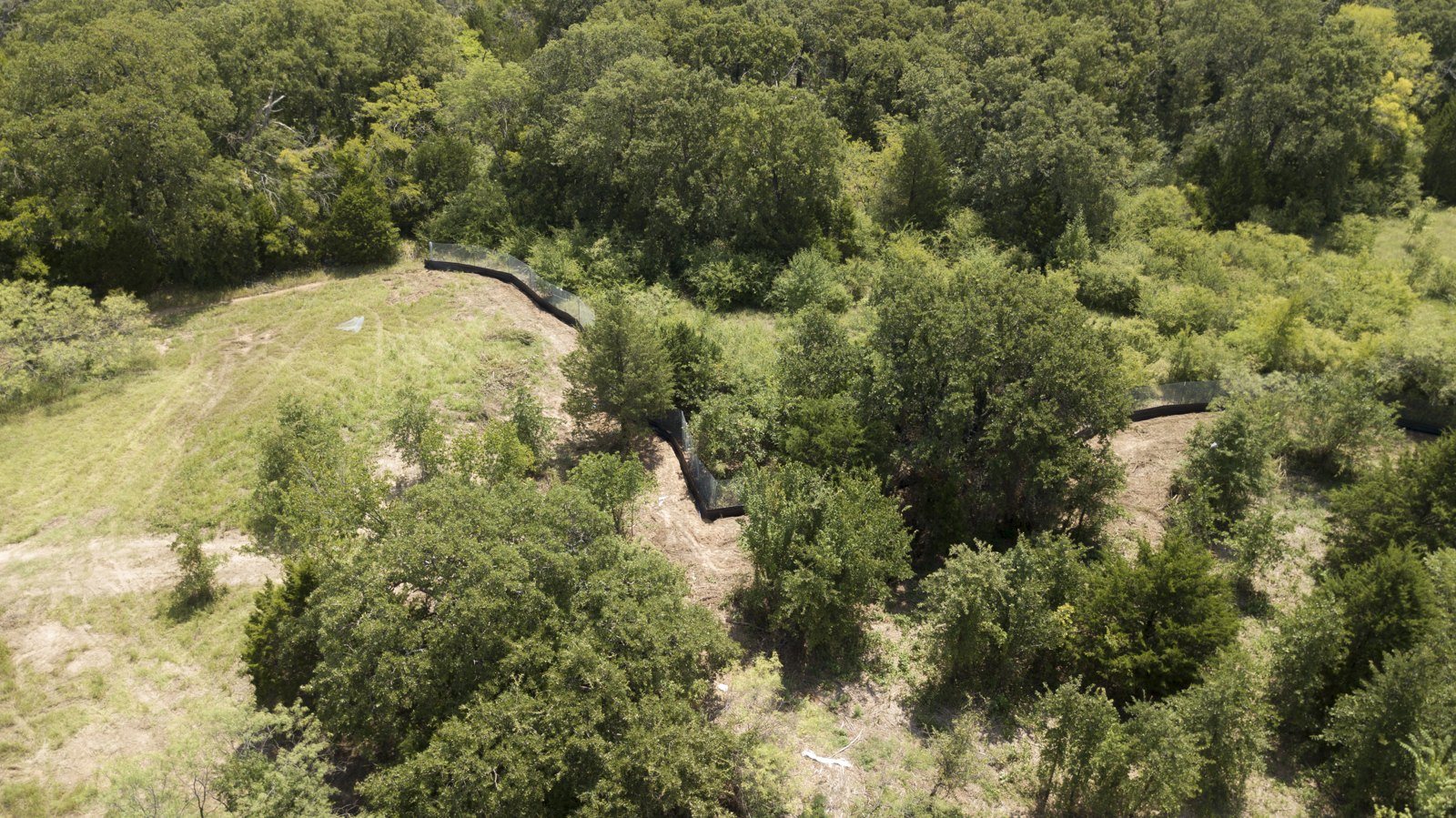
SWPPP is one of Terradyne's service divisions, alongside Erosion Control Services for the field controls the plan calls for and site maintenance for the upkeep between inspections. Running all three under one contractor means the plan on paper and the controls in the ground are the same thing, inspected by people who installed them.
Request a bid
Send your project details to bids@terradynegroup.com or call (214) 878-7392 for SWPPP services across Dallas–Fort Worth. Tell us where the project stands and we will take it from there.