
Tree Survey & Identification
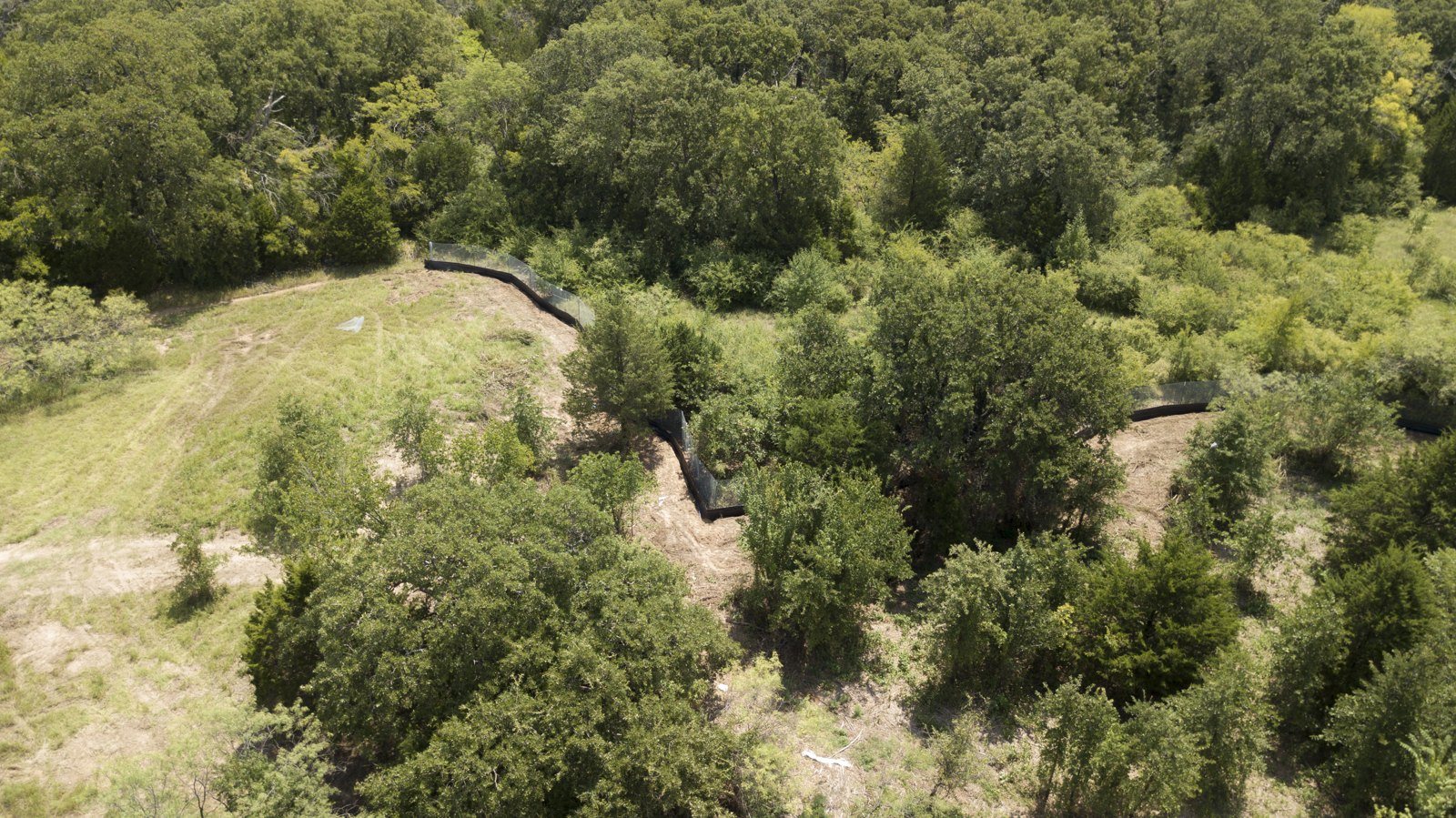
The survey comes first because everything else is placed off it — the fence line, the equipment paths, the trees the plan promises the city will still be alive at closeout. Terradyne does that first walk across Dallas–Fort Worth.
What is a tree survey?
The ground truth under the tree plan. Terradyne identifies tree pathing and trees by the hour, with tagging excluded. The exclusion is stated plainly because scope honesty matters: this line identifies and paths — the surveying-and-tagging formality, where a jurisdiction requires it, is its own trade.
From survey to standing protection
Identification only matters if something gets built off it. Terradyne fields a crew with equipment to clear pathing and drip lines. Terradyne supplies tree protection signage. That is the full arc: know which trees, clear the path to them, and mark the protection so every operator who arrives after the survey knows where not to drive. The barriers themselves live at Tree Protection Fencing.
Why the walk comes first
Walk the survey with the fence plan in hand; the two documents are cheapest to reconcile before either crew mobilizes. Cities that protect trees protect them specifically — a numbered tree on an approved plan, a fence at a distance somebody measured. The survey walk is where those specifics become real: the plan's circles turn into actual trunks, the access route turns out to clip a drip line, and the crew finds it out on foot instead of in a violation letter.
The walk also protects the schedule. Tree conflicts discovered at mobilization stop work while somebody re-routes an entrance or re-argues a plan sheet; the same conflicts discovered during the survey are a red pen on a drawing. An hour of walking buys back days of standing equipment.
Frequently Asked Questions
What does the tree identification service include?
Walking the site to identify pathing and trees, by the hour — with formal tagging excluded. It is the field reconnaissance that makes the tree plan buildable.
What happens after the trees are identified?
The path and drip lines get cleared by a crew with equipment, protection signage goes up, and the fence line goes in — identification feeding straight into standing protection.
Who needs a tree survey before construction?
Any project whose plans or jurisdiction call out protected trees. The survey is the cheap step; the expensive step is discovering a protected tree after the dozer met it.
Request a bid
Send your tree survey or plan sheet to bids@terradynegroup.com or call (214) 878-7392 for tree identification and pathing across Dallas-Fort Worth. The fencing that follows lives at Tree Protection Fencing, the clearing that opens the ground at Large-Acreage Mowing & Clearing, and the division hub at Site Maintenance & Field Services.