
SWPPP Compliance Hub
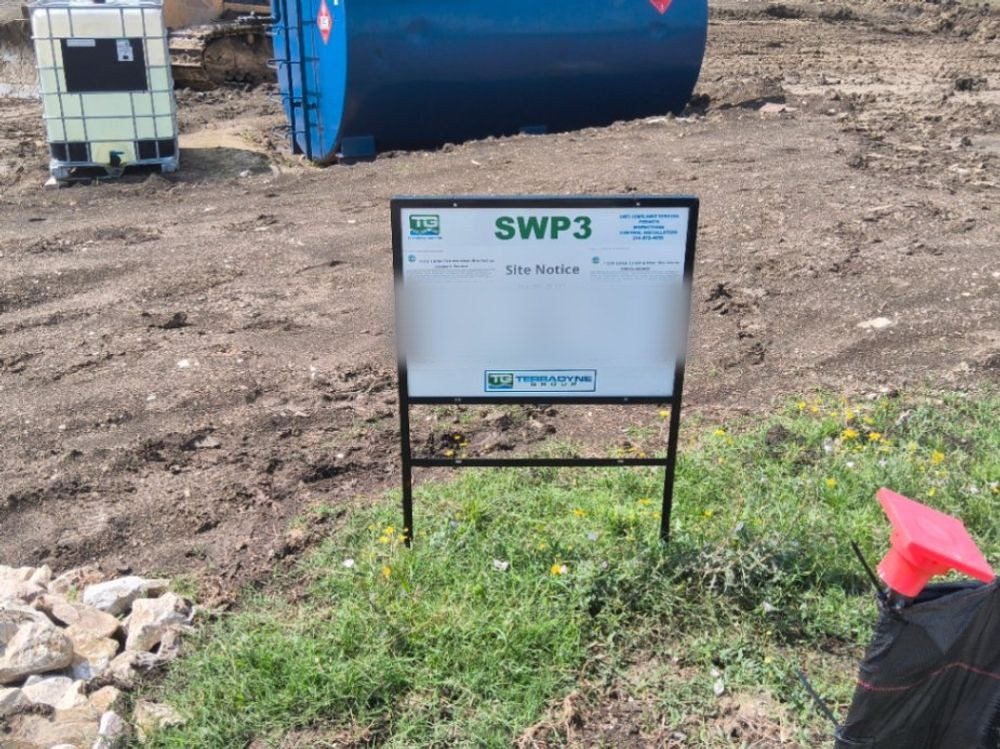
The binder used to live in a truck. Now the record lives where every stakeholder can reach it — current, complete, and readable from anywhere the project is being run. That is the deliverable this page describes — not a promise about software someday, but the hub Terradyne clients work in now. It comes with the inspection engagement rather than beside it: the field service produces the record, and the hub is where the record lives.
Explore your hub
Touch a record type — each one opens to where it lives.
 1
1
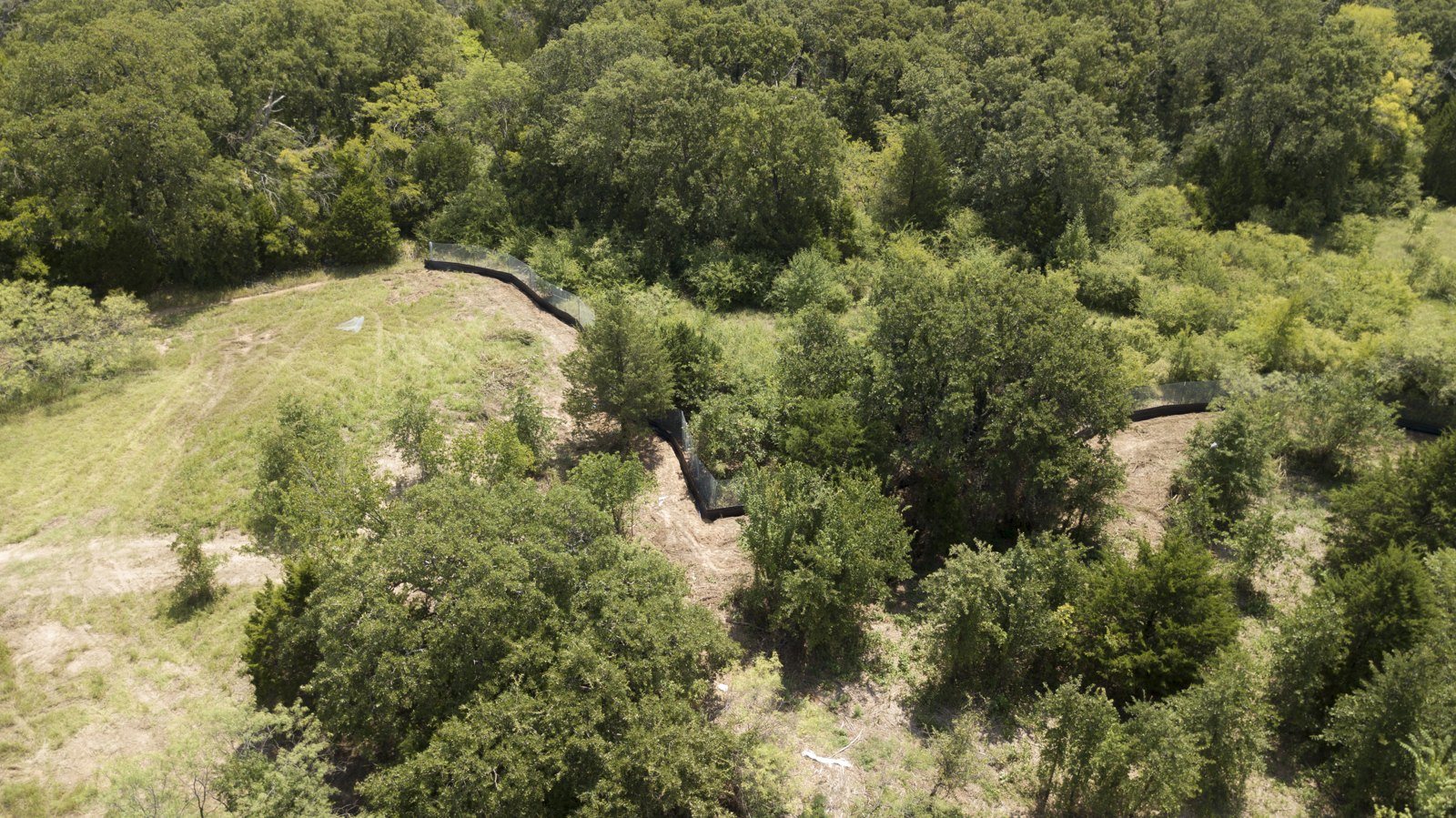
Where the reports live, and how the walking rhythm runs.
SWPPP Inspections →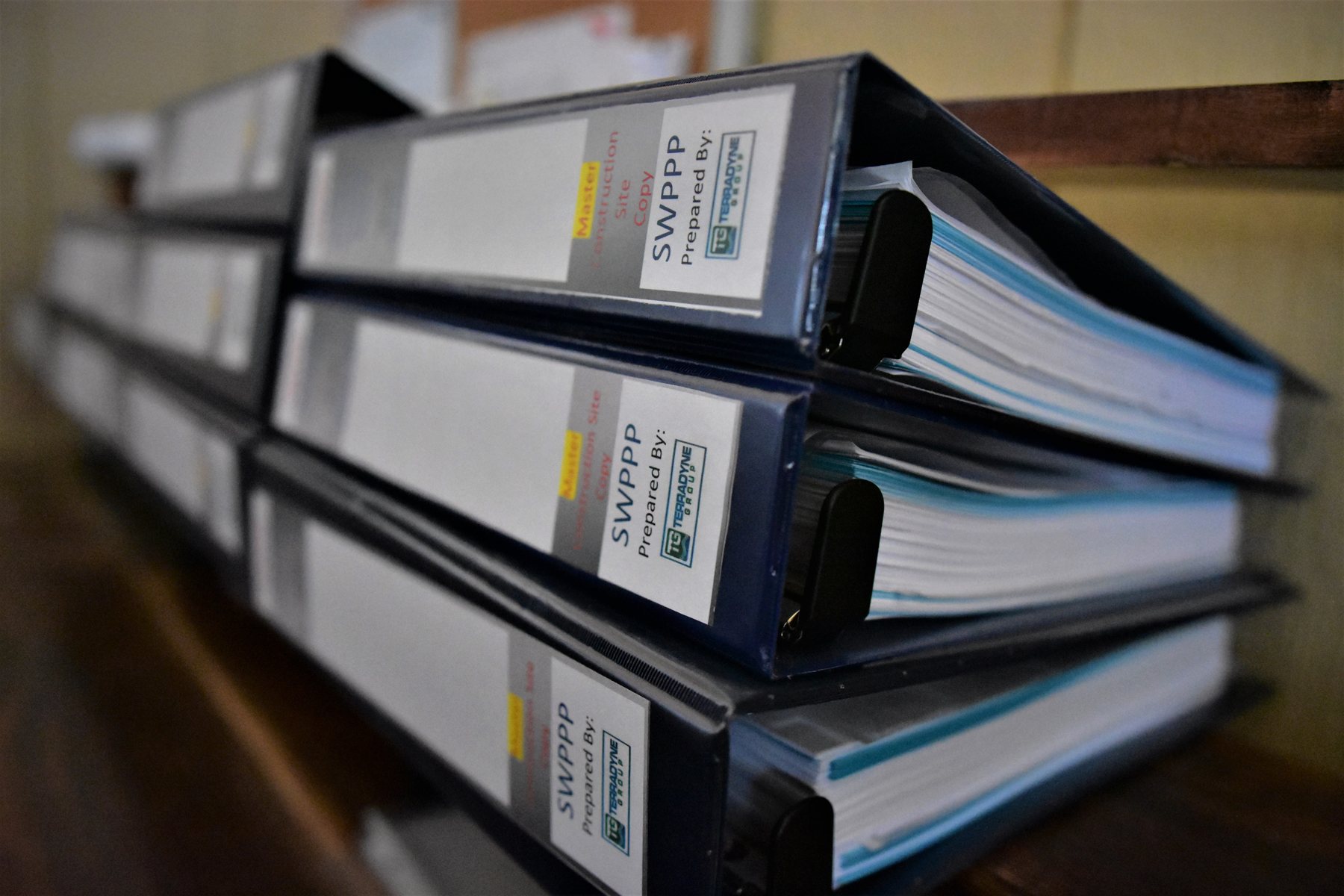 2
2
The plan itself — the narrative and the paperwork behind it.
SWPPP Narratives & Documentation →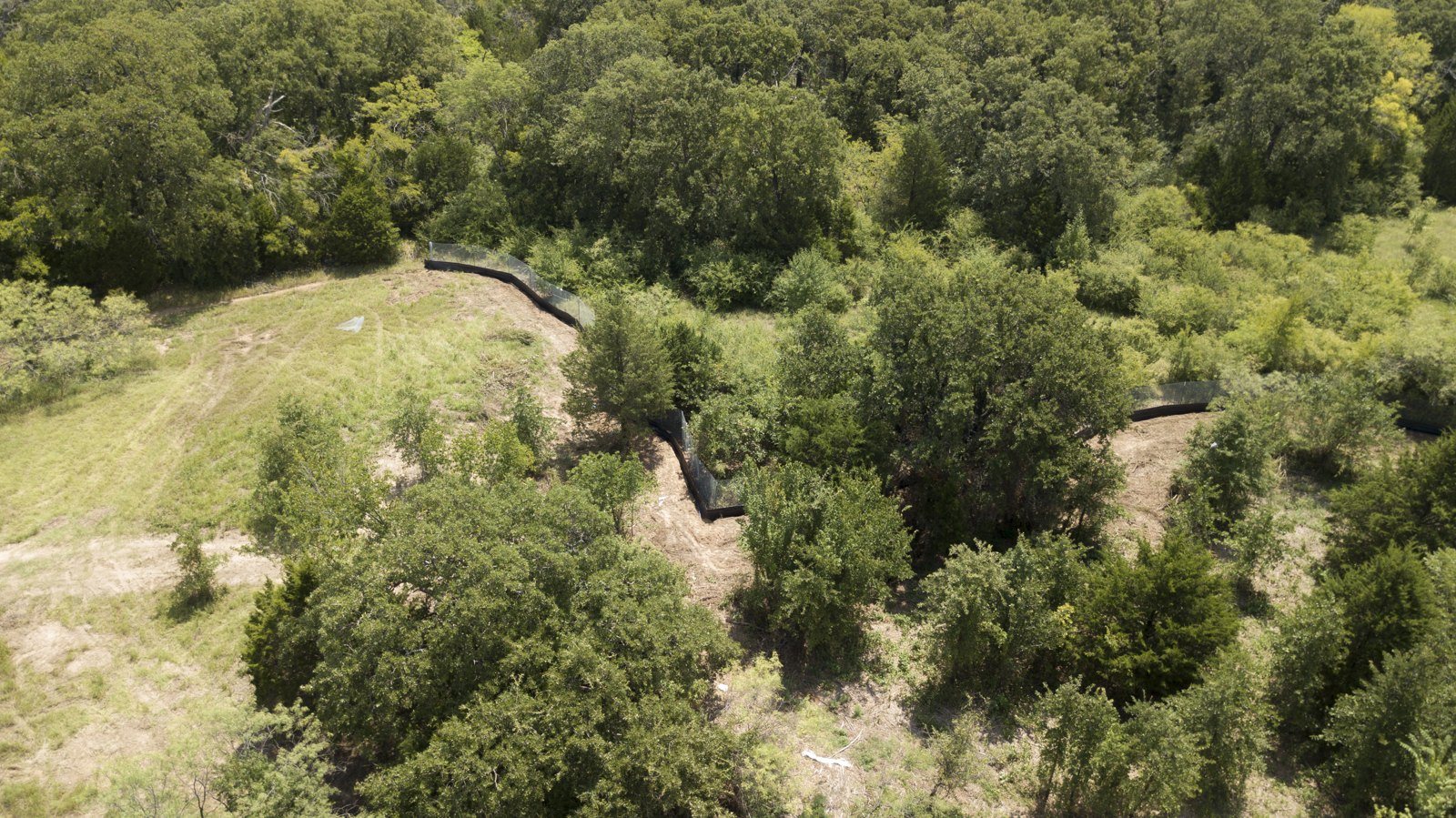 3
3
The site's drawings, and what changes as the site changes.
SWPPP Site Maps & Erosion Control Schematics →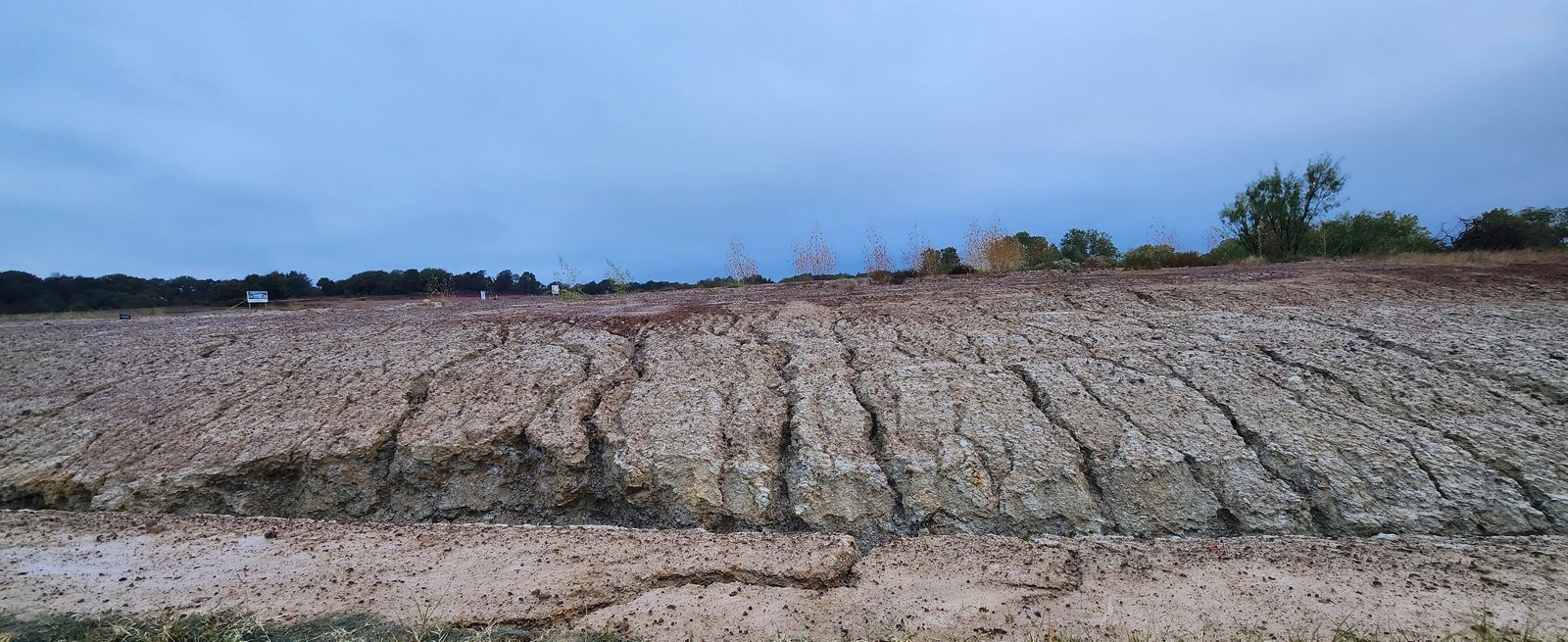 4
4
Findings tracked from write-up to closed.
Digital Action-Item Logs →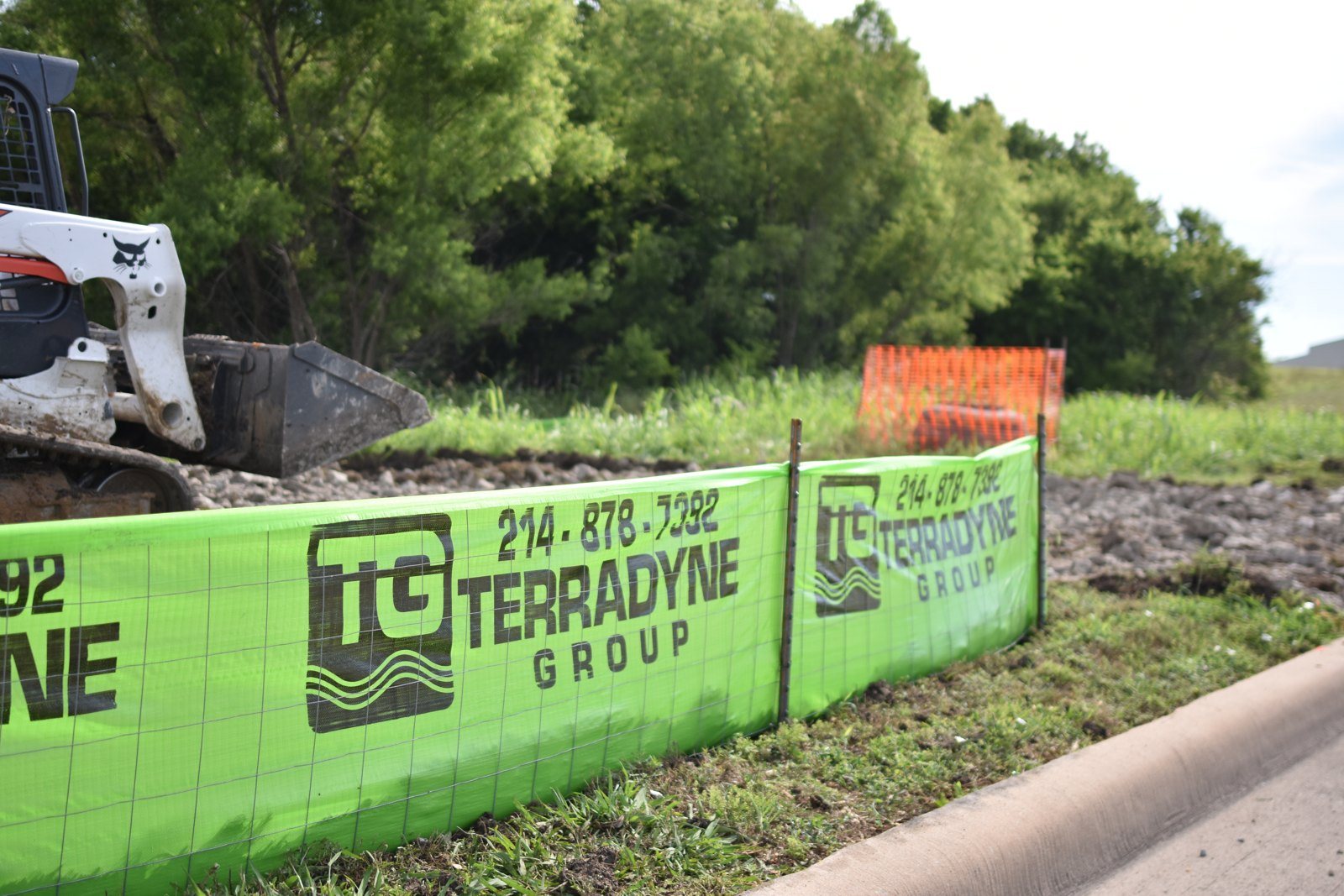 5
5
The pictures that ride with the write-ups.
Photo & Located Action-Item Evidence →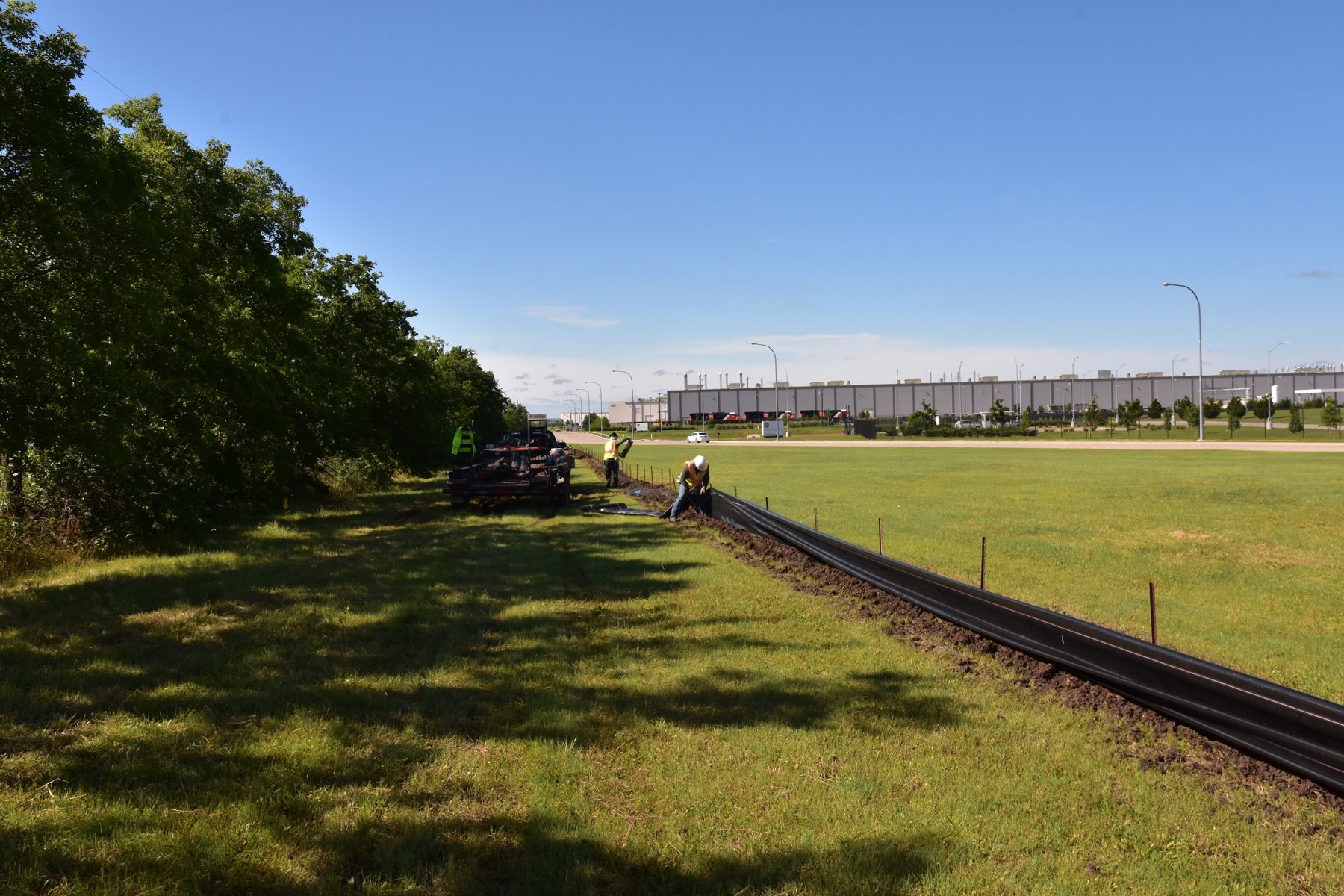 6
6
The fix, verified and dated — how loops close.
Action Item & Corrective Action Tracking →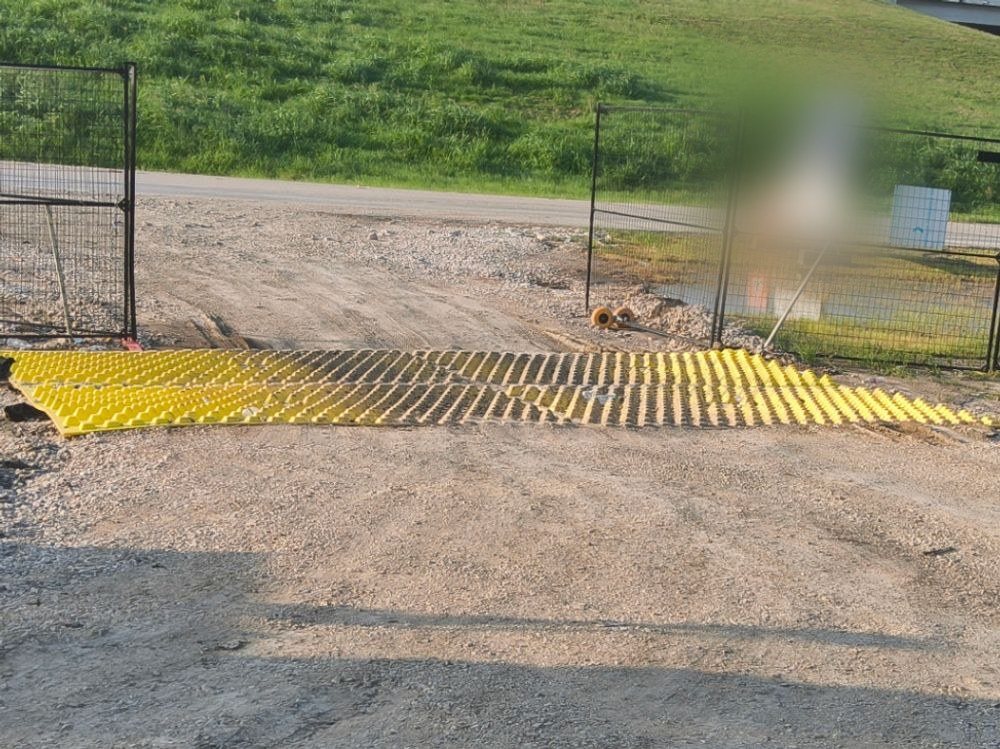 7
7
Access at the gate, built for the inspector's visit.
QR Inspector Portal →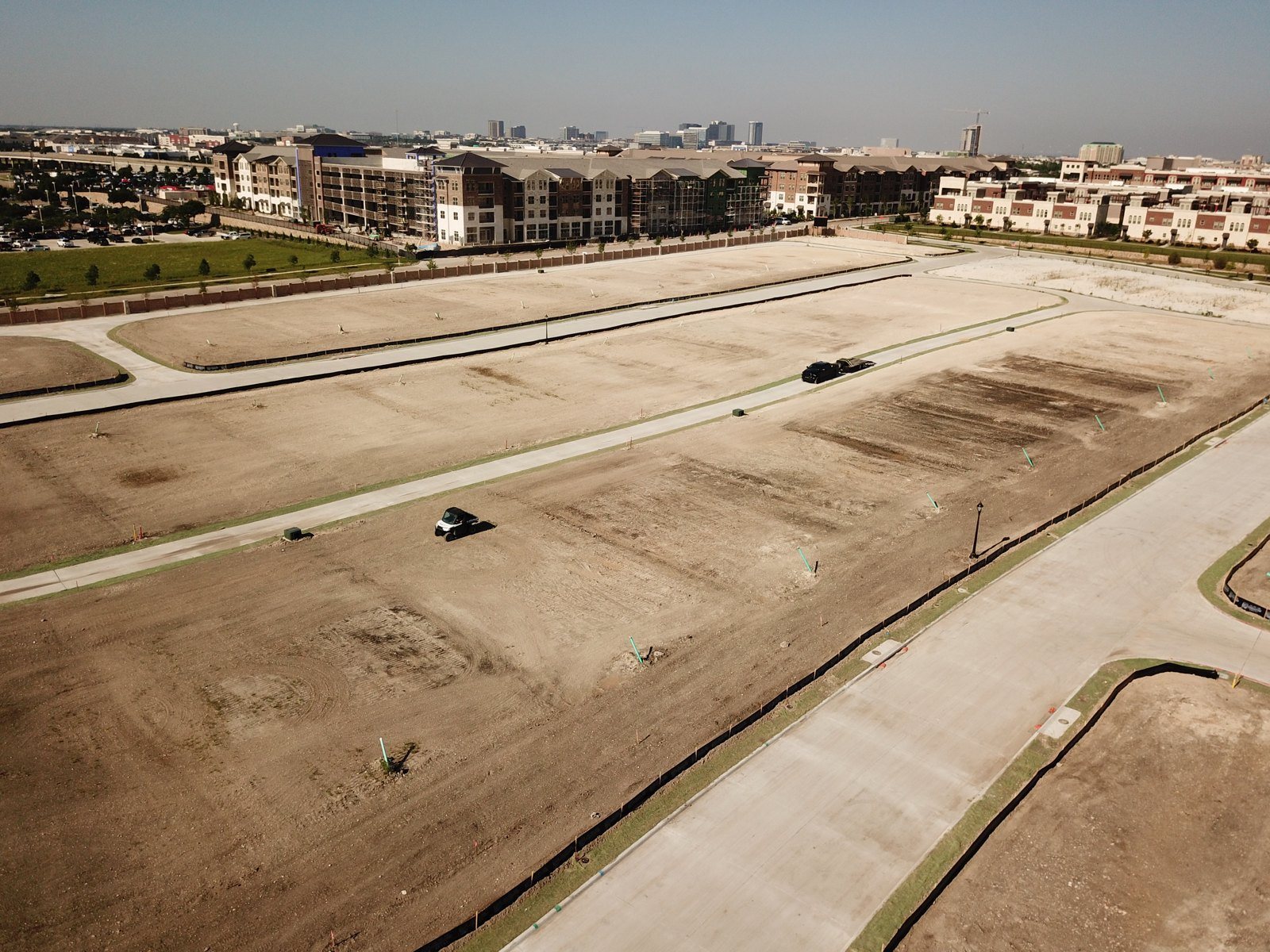 8
8
The whole file, ready for the day someone asks.
Cloud Records & Audit Readiness →How a loop closes
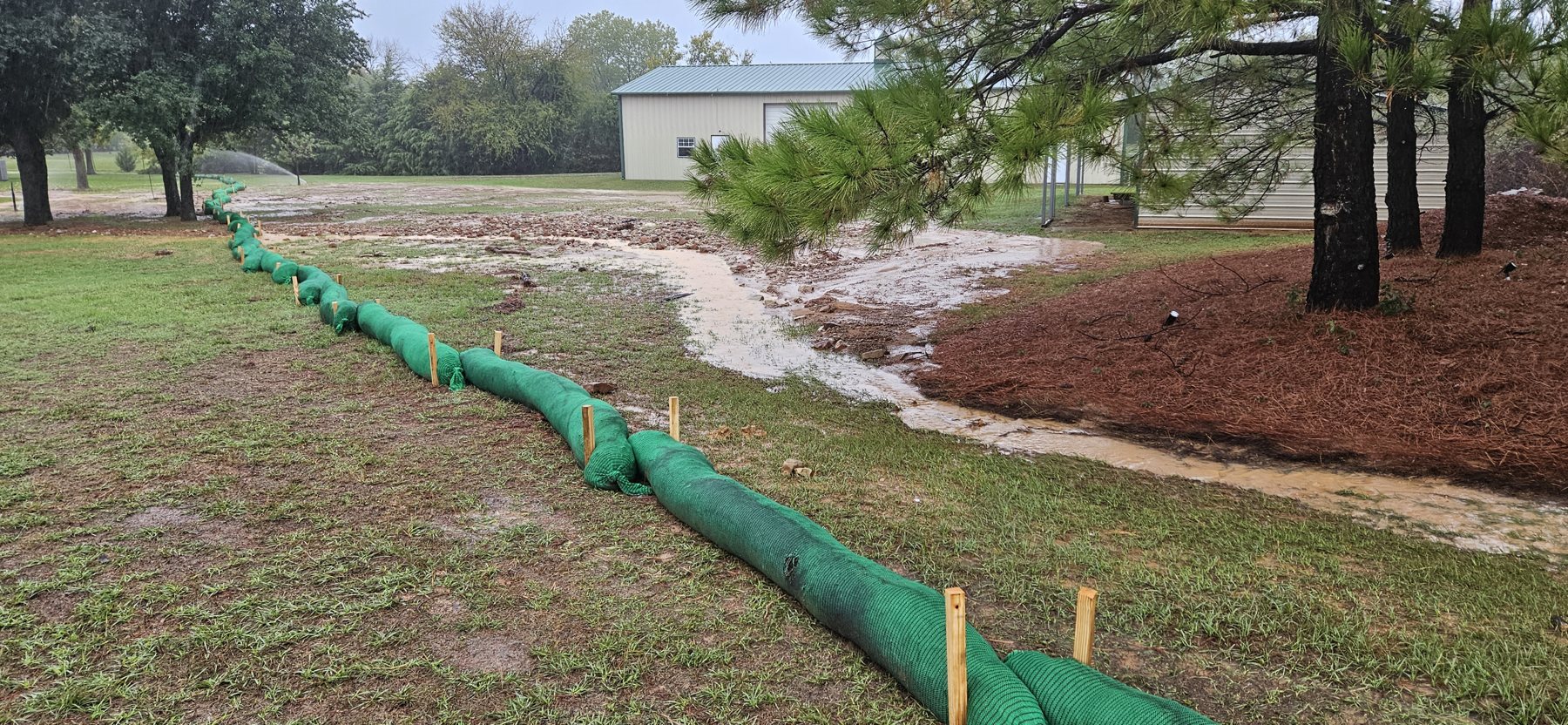 1
1An inspector documents what the site shows.
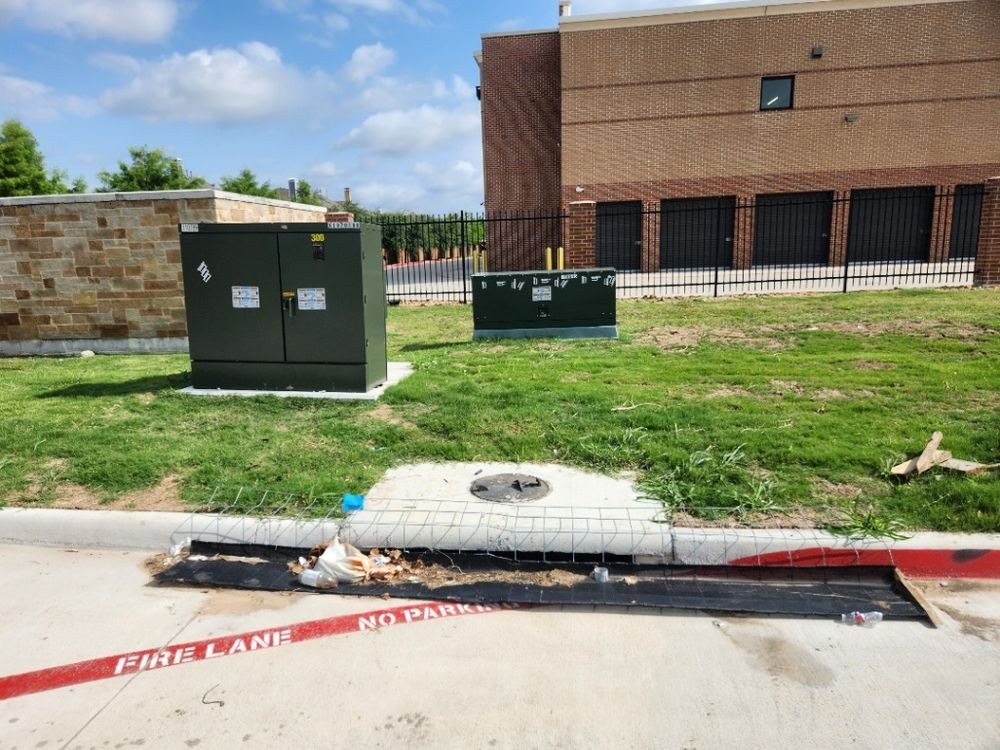 2
2The finding gets a home in the hub.
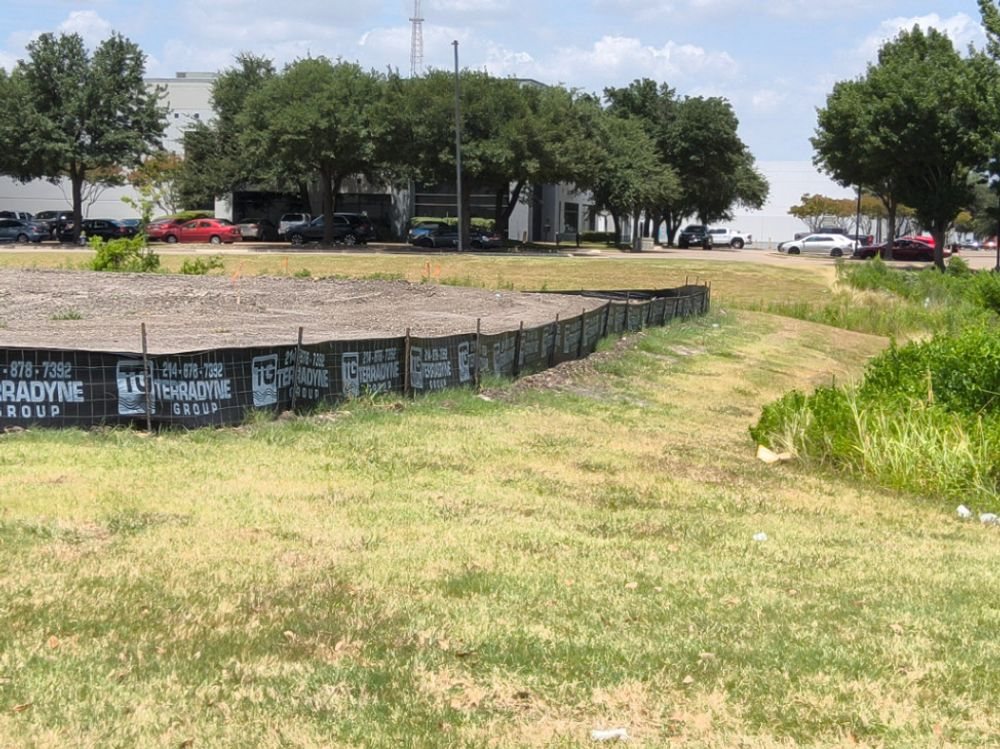 3
3The field work that answers it.
 4
4Verified, dated, and part of the record.
What is the SWPPP Compliance Hub?
Terradyne's SWPPP Compliance Hub runs on the cloud inspection platform behind our field program — it carries reports, corrective action items, and distribution lists. Every inspection lands there, every finding gets its trail there, and everyone who should see the record can — from the project executive to the inspector at the gate.
What the hub carries
The record is the product. Terradyne provides routine SWPPP inspection reports with cloud-based client access. Every Terradyne inspection report includes photos — a company default. The paperwork the reports certify rides along with them. The platform stores site stormwater documents in the cloud — SWPPPs, permits, logs, inspections, and more. One address for the whole compliance story: the plan, the permits, the logs, the evidence.
Why a cloud record is compliance-grade
A digital binder is not a compliance shortcut — the permit itself makes room for it, on conditions. TXR150000 allows the SWP3 to be prepared and kept electronically rather than in paper form, when the records can be read like a paper record, are legally valid with no less evidentiary value, and are immediately accessible to the inspector during an inspection. Those three conditions are the design brief the hub is built against: readable like paper, valid like paper, and open the moment an inspector asks.
The stream that fills it
A record is only as good as the cadence behind it. TXR150000's standard schedule requires construction site inspections at least once every 14 calendar days and within 24 hours of the end of a storm event of 0.5 inches or greater. The platform automatically files and stores completed inspection reports in a cloud-based folder, while also allowing other individuals to access them when needed. That pairing — a required rhythm of inspections and automatic filing of what they produce — is how the record stays current without anyone doing filing as a second job.
The nag that never sleeps
Findings do not age well, so the platform does the reminding. Clients get automated past-due corrective-action-item emails from the platform. Nothing depends on someone remembering to follow up — the follow-up is built into the record itself.
What working in it looks like
A finding stops being a phone call and becomes an entry — something with a date and a place in the log, still there tomorrow whether or not anyone answered the phone. Status stops being a meeting and becomes a glance: the answer is whatever the record says, and everyone reads the same record. Closeout stops being an excavation, because the record it needs is already complete. The compliance work itself does not change; what changes is that none of it depends on paper surviving the project or on memory surviving turnover.
That is the texture of the thing: not a portal you visit occasionally, but the place the record already lives.
The three views
Digital Action-Item Logs — every finding with its ID, due date, and closure trail. The working view for supers and project managers.
QR Inspector Portal — read-only access for the people who need to see the record without holding the keys. On the platform, site-specific QR codes and view-only links make providing view-only access to others easy.
Cloud Records & Audit Readiness — the archive view: everything filed, retained, and retrievable for the audit that eventually comes.
Behind the platform sits a dedicated team of professionals using agentic AI technologies — the management, recording, and analysis layer around the reports themselves. The platform holds the record; the team reads it, works it, and turns it into the coaching and the callouts that keep sites clean — which is the part software alone was never going to do.
The intelligence behind the hub
The hub shows the record; the analytics behind it read the whole book. Internal analytics roll the record up per site, per customer, and across a customer's whole multi-site portfolio. Terradyne's internal databases and AI agents assist with auditing, training, onboarding, generating, editing, and building. The result reaches you as cleaner reports, faster follow-through, and a portfolio view no binder ever offered.
Frequently Asked Questions
What actually lives in the hub?
The site's whole compliance record: inspection reports with their photos, the plan and permit documents, action items with their closure trails, and the evidence a regulator would ask for — filed as it is created, not reconstructed later.
Is a cloud record acceptable to regulators?
The governing permit explicitly allows electronic records when they read like paper, carry the same legal weight, and open for an inspector on demand. Meeting those conditions is the hub's job description.
Who gets access?
The client controls the audience. Project teams work in the record; outside parties who only need to see it — inspectors, reviewers, owners — get view-only access without anyone surrendering an account.
Do the reports really include photos?
Yes — photographic documentation is Terradyne's default on every report. The pictures ride with the report in the hub, so the visual record and the written one never separate.
Is the hub a separate purchase from inspections?
No — the hub is how inspection clients receive their record. The field service produces the reports; the hub is where they land, live, and stay reachable. One engagement, two halves of the same deliverable.
Request a bid
Send your project details to bids@terradynegroup.com or call (214) 878-7392 and the record starts building from the first inspection. Inspections fill the hub, and the hub is included with them — see SWPPP Inspections for the field service behind the record.