
Fort Worth, TX SWPPP & Stormwater Requirements
Updated July 2026
Fort Worth reviews dirt work at big-city scale — the drainage study comes before the plat, the grading permit before the dozer, and the criteria manual behind both.
What does Fort Worth require for SWPPP compliance?
The gate is the grading permit, and it swings early. In Fort Worth, land-disturbing activity or platting of 1.0 acre or more — or land disturbance of less than 1.0 acre that is part of a common land plan development — requires an approved grading permit and stormwater drainage study. Everything else on this page hangs off that trigger.
The iSWM plan behind the permit
Fort Worth's permit is not a rubber stamp — there is an engineering plan standing behind it. Fort Worth's city council adopted a grading ordinance in June 2012, under which land alteration in excess of 1 acre requires an approved integrated stormwater management (iSWM) plan grading permit. Stormwater drainage study and grading permit reviews are how the City of Fort Worth reviews each development project disturbing one or more acres of land. The city reviews to its own criteria manual, and the reviews are how the program touches every qualifying project.
The study comes before the plat
Sequencing is the part that bites schedules. When required, a detailed stormwater drainage study (SWDS) must be accepted before the submittal of a concept plan, preliminary plat, final plat, or the infrastructure plans. A team that discovers this after the plat is drawn resubmits; a team that knew it going in books the study first and keeps the calendar.
The rules here move — and recently did, twice
Fort Worth has been revising the program in real time. Updates to Fort Worth's floodplain ordinance, grading permit ordinance, and stormwater criteria manual took effect on July 15, 2024. The valley-storage rule is the newest layer in force: Fort Worth's updated floodplain ordinance protecting valley storage becomes effective February 1, 2026, requiring compensatory storage citywide — with limited exemptions — to preserve existing valley storage where fill is placed in FEMA floodplains. A bid priced on an old reading of the rules can be wrong twice on one project.
The state permit still applies
None of the city's gates replace the state's. A stormwater pollution prevention plan (SWP3) must be prepared and implemented before construction activities begin. TXR150000's standard schedule requires construction site inspections at least once every 14 calendar days and within 24 hours of the end of a storm event of 0.5 inches or greater. City review gets the project to the starting line; the state permit's obligations run for the life of the disturbance.
Inspections and the record
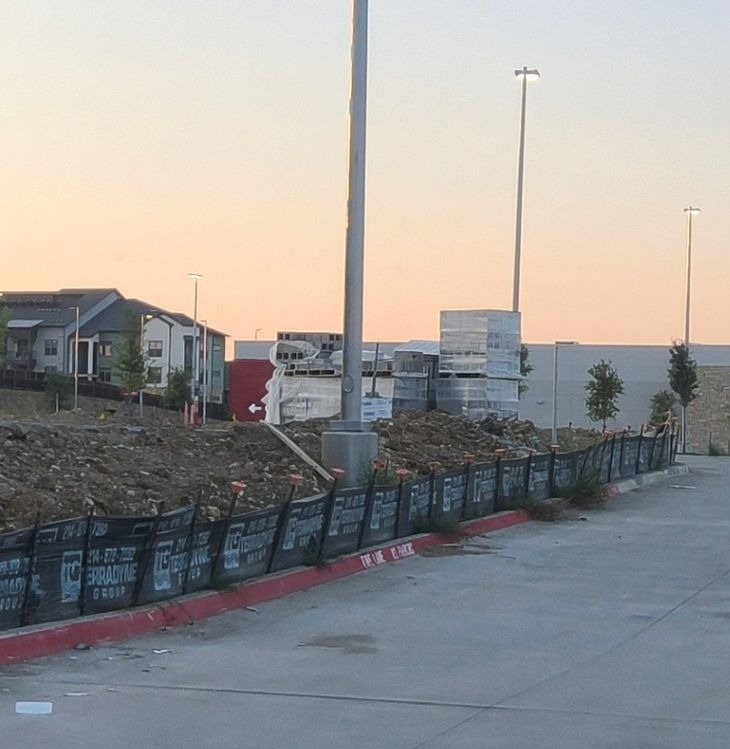
The operator owns the inspection record from first disturbance to final stabilization. Terradyne provides routine SWPPP inspection reports with cloud-based client access. See SWPPP Inspections for how the program works, and Silt Fence Installation for the perimeter the reviewers will look at first.
Check before you mobilize
Ordinances and city standards get revised; confirm the current documents with the city before you mobilize. For other North Texas cities, start at Local Compliance.
Frequently Asked Questions
When does a Fort Worth project need a grading permit?
At an acre of disturbance or platting — and below an acre when the work is part of a larger common plan of development. The permit travels with a stormwater drainage study, so treat the two as one submittal in the schedule.
What is an iSWM plan grading permit?
Fort Worth reviews grading through its integrated stormwater management framework: the plan demonstrates how the project manages runoff to the city's criteria, and the permit rides on an accepted plan rather than on the application alone.
When should the drainage study be done?
Before the plats. The study must be accepted ahead of the concept plan, preliminary plat, final plat, or infrastructure plan submittals — which puts it at the front of the civil calendar, not the middle.
Did Fort Worth's stormwater rules change recently?
Yes — the criteria manual and the grading and floodplain ordinances were updated, and a citywide valley-storage rule has since taken effect on top of them. Confirm the current documents before pricing work; an old reading of the rules ages fast here.
Request a bid
Send your Fort Worth project's plans to bids@terradynegroup.com or call (214) 878-7392 for SWPPP and erosion control support. Tell us the acreage and the schedule, and we will bring the plan, the controls, and the inspection cadence the city expects.